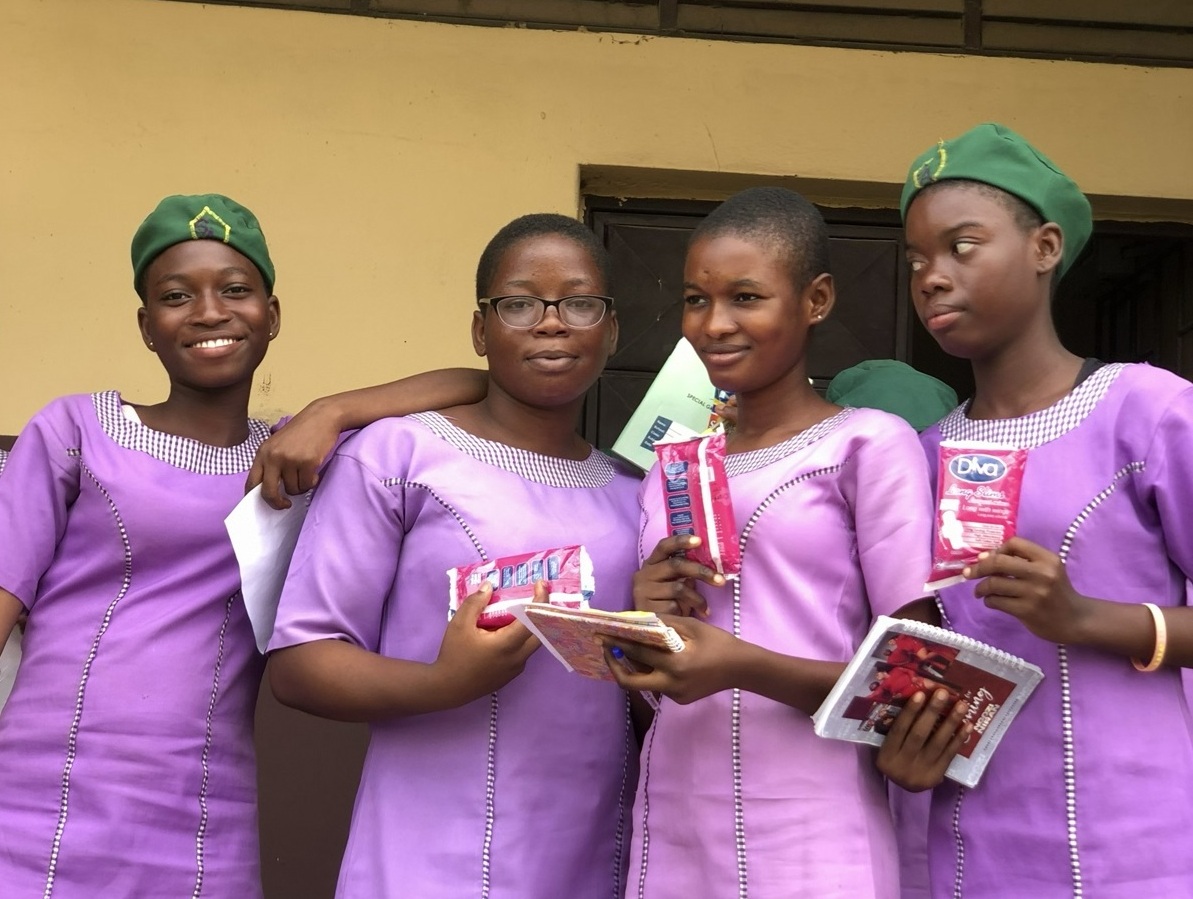
Through our school outreach, we have reached over 2,600 adolescents with menstrual health education and directly provided over 1,000 packs of sanitary pads.
For too many adolescent girls, a monthly biological process becomes a monthly barrier to education. Missed classes, whispered shame, homemade substitutes for pads, and a lack of accurate information, these are the quiet realities that keep girls from fully showing up in the classroom. At AFAYHealth Initiative, we believe no girl should have to choose between her education and her dignity. That belief is the heartbeat of our menstrual health education outreach to schools.
Why This Work Matters
Menstruation is natural. Yet in many communities, it remains wrapped in silence, stigma, and misinformation. Girls are often taught to hide it rather than understand it. Boys grow up without the knowledge that might make them allies rather than sources of ridicule. And in under-resourced schools, the absence of sanitary products, clean water, or private facilities turns a normal bodily function into a recurring crisis.
The consequences ripple outward. Girls miss school days every month. Some fall behind academically. Others, worn down by embarrassment or lack of support, drop out altogether. Left unaddressed, period poverty and menstrual stigma quietly undermine years of progress toward keeping girls in school and closing the gender gap in education.
We knew that if we were serious about adolescent health and youth empowerment, we had to meet this challenge directly — inside the classrooms where it plays out every day.
What Our School Outreach Looks Like
AFAY Health Initiative is a youth-led organisation, and that identity shapes how we approach this work: with young people, for young people, and led by an understanding of what actually reaches them. Our team begins with research — identifying the schools and communities most in need of intervention — before designing programs that respond to what we find, rather than assumptions about what girls need.
Once inside a school, our outreach typically includes:
- Interactive health talks that explain the menstrual cycle in clear, judgment-free language, dispelling myths that have circulated for generations.
- Sessions for both girls and boys, because ending stigma requires everyone in the room to understand what’s normal and why compassion matters.
- Distribution of sanitary pads, removing one of the most immediate barriers to girls attending school consistently.
- Safe spaces for questions, where girls can ask what they’ve always wondered but never felt comfortable voicing aloud.
- Guidance on hygiene practices and available resources, equipping girls with practical tools they can rely on long after we leave the classroom.
To date, this work has reached over 2,600 adolescents with menstrual health education and put more than 1,000 packs of sanitary pads directly into the hands of girls who needed them.
Beyond the Classroom
Menstrual health doesn’t exist in isolation from the rest of a young person’s wellbeing, and neither does our work. Our school-based outreach sits alongside broader efforts — from community mental health programs that have reached over 400 children and adolescents, to our community library project that has placed more than 200 books in the hands of over 100 young readers, to public health initiatives like our sickle cell awareness efforts. Every one of these programs shares a common thread: young people deserve accurate information, real resources, and adults who show up for them without judgment.
We’re also expanding into new territory with the launch of our SHIELDED project — Strengthening Holistic Interventions to End sexual violence against children, adolescents, and youths — because dignity, safety, and health are inseparable from each other.
The Ripple Effect of a Single Outreach Day
When a girl leaves one of our school sessions with a pack of sanitary pads and a clearer understanding of her own body, something shifts. She’s more likely to show up to school the following week. She’s more likely to speak up instead of suffering in silence. She’s more likely to pass that same confidence and information on to her younger sister, her classmate, her daughter one day. What looks like a single afternoon of outreach becomes a small, steady push against a cycle of stigma that has held girls back for generations.
How You Can Support This Work
Our progress has been made possible by partners, volunteers, and donors who believe, as we do, that every adolescent deserves accurate health information and the resources to act on it. You can help us reach more schools and more young people by:
- Donating to fund sanitary pad distribution and outreach materials.
- Volunteering your time, especially if you have a background in health education, counselling, or youth engagement.
- Partnering with us if you represent a school, community group, or organisation working with adolescents.
- Sharing our work with your network to help break the silence around menstruation more broadly.
Every conversation we start, every pad we distribute, and every myth we correct is a step toward a future where menstruation is never the reason a girl’s education is interrupted.
To learn more about AFAY Health Initiative’s programs or to support our menstrual health education outreach, get in touch with our team today.
